
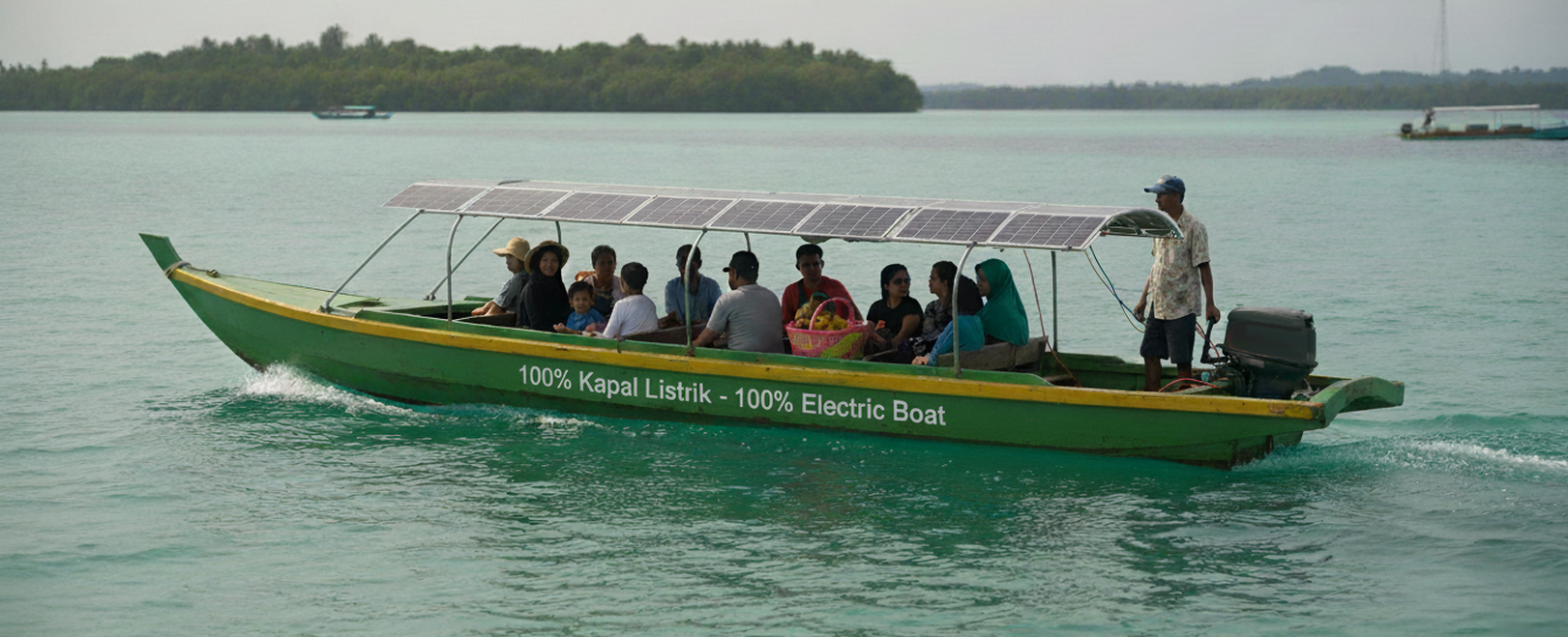
The Captain’s Ledger:How Budi Stopped Burning His Profits
Captain Budi operates a Pancung, a long, slender fiberglass water taxi that serves as the lifeline between Batam and the nearby island of Belakang Padang. His daily routine is a relentless clockwork of four round trips, ferrying commuters and tourists across the strait. Each crossing is a twenty-minute sprint at full throttle, fighting the currents with a roaring 25HP outboard engine.
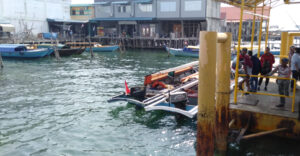
For years, Budi’s problem was not the sea, but the pump. Those high-speed sprints were drinking 25 liters of gasoline every single day. Every evening, with hands smelling of petrol, Budi would hand over nearly 40% of his hard-earned cash to the fuel seller. He wasn’t working for his family; he was working for the gas station. When he looked at the sleek grey electric motors from Gempacs, he hesitated. The price tag for the full kit—the 20kW motor and the heavy lithium battery banks—was roughly eighteen thousand dollars. He told the engineers he drove too hard and too fast, terrified that he would run out of power in the middle of the strait or lose passengers if he had to stop for hours to recharge.
The Gempacs engineers, however, did not look at his engine; they looked at his schedule. They noticed a crucial detail in Budi’s schedule that he had ignored. While his sprints were intense, they were short. Between each high-speed run, Budi sat at the jetty for over an hour, waiting for his turn in the antrian (the queuing system) and for enough passengers to fill his boat. They told him he didn’t have a charging problem; he had a timing opportunity.
They installed a modular bank of white LiFePO4 battery packs beneath his floorboards, giving him enough ballast to cut through the chop and enough energy t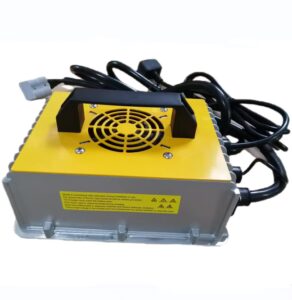 o run his day. But the real game-changer was the upgraded portable charging unit: a powerful 3kW ch
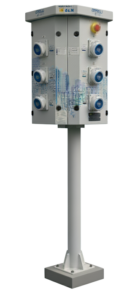 arger. The engineers taught Budi a new rhythm. The moment he docked and offloaded his passengers, he simply plugged the yellow unit into the pier’s charging point provided by PLN.
During his ninety-minute wait for the next load, that charger pumped a massive 4.5 kilowatt-hours of energy back into his boat. Combined with the 1 kW solar canopy mounted on his boat, this charging rate essentially refilled the “tank” completely after every single trip. He never had to waste time to charge; he simply charged while he waited.
The most important transformation, however, was in Budi’s ledger. The math was undeniable. He used to burn 750 US$ a month in petrol and oil for the two stroke outboard. His new electricity bill for the high-power pier-side top-ups was barely 60 US$. That left a massive surplus of nearly seven hundred dollars a month staying in his pocket. Even with a 400 US$ monthly payment for the micro-loan to buy the system, he was almost 300 US$ s richer from the very first day. In just over two years, the loan would be fully paid off, and every cent of those savings would belong to him.
Today, Budi’s Pancung is the quietest boat in the harbor and it is the favorite at the pier. Commuters prefer his Pancung because it is silent, it doesn’t vibrate or smell of fumes. He runs his four sprints, waits his hour, and drinks his coffee while watching his battery percentage climb back to 100% on the dashboard. He hasn’t visited a fuel station in six months, and for the first time in his career, the roar of the engine has been replaced by the quiet satisfaction of his ledger showing a profit that belongs entirely to him..