The Silence of the Lagoon: A Resort Manager’s Awakening
For years, Adi, the fleet manager at Nusa Paradise Eco-Resort, located on a pristine island off the coast of Java, promised “Sustainable Luxury.”, yet Adi started every morning with an apology about the noise of the generators, and he is stuck between a rock and a hard place, or rather, between his environmentally conscious guests and his strict Chief Financial Officer (CFO).
 As his guests sat on their overwater villas sipping organic coffee, trying to listen to the ocean, Adi’s crew were going after the diesel gensets powering the resort, despite being well hidden and insonorized, they still make noise and pollute the environment, smelling of burnt rupiahs and broken promises.
Adi hated it. His brochure promised “Unspoiled Nature,” but his logistics delivered noise and pollution. He wanted to go electric with his boats and using a photovoltaic generator with battery energy storage, but his Chief Financial Officer (CFO) had shut him down three times.
“It’s impossible, Adi,” the CFO had said, tapping his calculator. “To run six electric boats, we’d need a charging station as big as a city block. It would blow our generator. And the batteries? We’d have to sell a villa just to buy them. We stick with diesel.”
The Day the Sun Changed Everything
Then, the team from Gempacs arrived. They didn’t bring a sales pitch; they brought a tape measure and a computer. They walked down to the jetty and looked at Adi’s modern glass fiber dive boats, taking measurements of the hulls, then, they walked Adi and the CFO through a new reality.
“You’re looking at this wrong,” the gempacs lead engineer said, pointing to the boat’s the boats are large enough to host a big and powerful solar canopy. We see it as a power plant.”
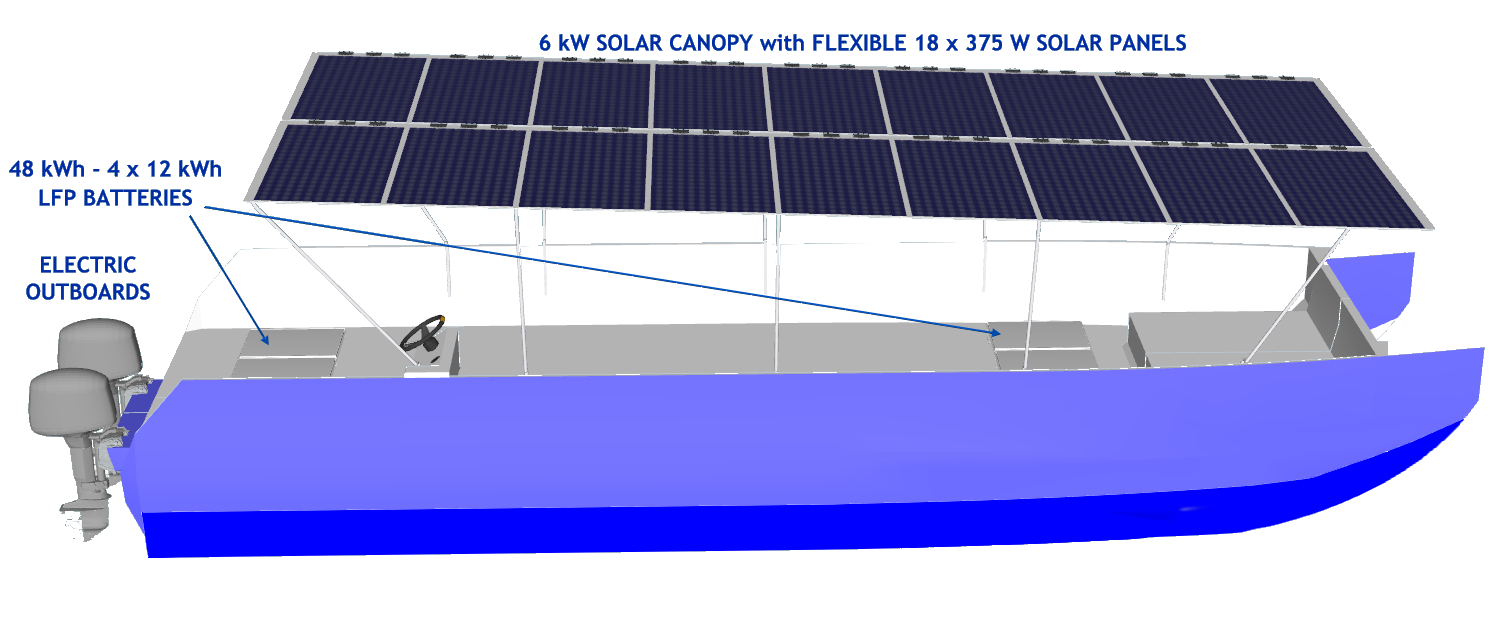 They showed Adi a sketch that looked like magic. Instead of a heavy, fuel-guzzling engine, they would install two silent electric motors to provide enough, yet manageable power. But the real secret was above: a massive canopy of flexible solar panels stretching across the entire surface of the boat’s hull, yet light enough to keep the boat stable.
“Think of it like this,” the engineer explained. “Your boats spend four hours a day sitting idle at the reef while guests snorkel. With gasoline, that’s dead time. With this canopy, your boat is refuelling itself from the sun.”
The “Toaster” Revelation
“But the charging!” Adi protested. “Our generators can’t handle fast-chargers.”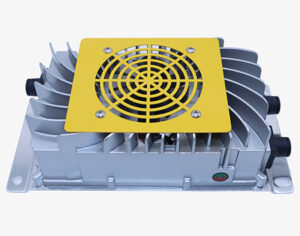
The 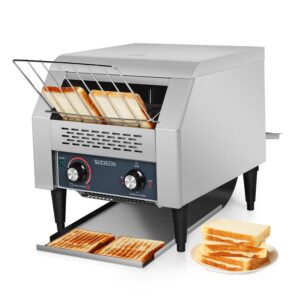 engineer smiled and pulled a small yellow box from his bag. It looked no bigger than a car battery charger. “You don’t need fast chargers. Because your boats come back half-full of solar power, you only need to ‘sip’ electricity overnight. This charger uses less power than the toaster in your restaurant kitchen.Adi looked at the CFO. For the first time, the numbers man wasn’t frowning. He was calculating. “If the sun pays for 60% of the fuel,” the CFO muttered, “and we stop buying diesel… this system pays for itself in less than three years. After that, we are printing money.”
The New Morning Sound
Six months later, the morning routine at Nusa Paradise is different.
There is no roar. There is no smoke. At 8:00 AM, the boats glide away from the jetty in total silence. The only sound is the water lapping against the hull. Guests don’t cover their noses; they dangle their feet in the water.
Adi checks his phone. The dashboard shows his fleet is currently at “Turtle Point.” The motors are off, but the batteries are charging, soaking up the free Indonesian sunshine.
He hasn’t bought a drum of diesel in months. The generator is humming quietly. And for the first time in his career, Adi doesn’t have to apologiz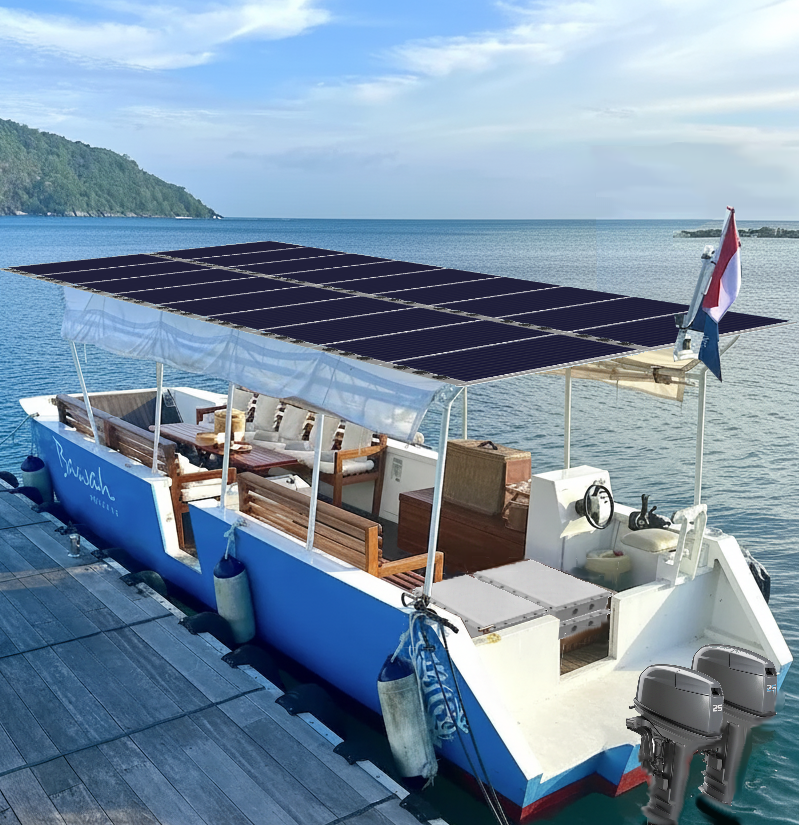 e for the noise. He just watches the guests smile, listening to the sound of a promise finally kept. The CFO is smiling, too. He isn’t looking at the cost of the motors anymore; he’s looking at the fuel savings that have already paid for the new photovoltaic generator, to minimize the use of diesel gensets.
Adi realized he hadn’t just bought electric boats; he had bought a mini-utility. He solved the grid limit with the sun, and he solved the cost limit with the savings. He finally delivered the “Sustainable Luxury” the brochure promised, and it paid for itself and no more apologies to the guests.